








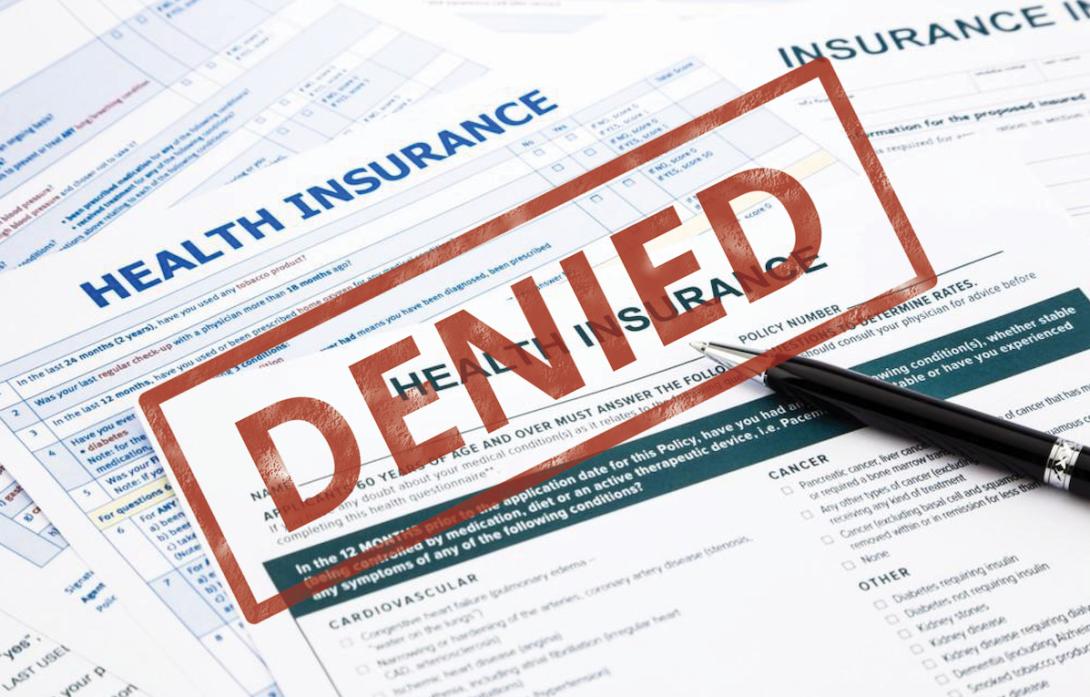
Have you ever faced the frustration of a denied health insurance claim? If you have, you know how overwhelming and confusing it can feel.
Your health matters, and so does your money. When your claim is denied, it’s not just paperwork—it’s your peace of mind on the line. But don’t worry. This article will guide you step-by-step through what to do next, how to fight back, and how to increase your chances of approval.
Keep reading, because understanding this process could save you time, stress, and even money. Your health and your wallet deserve it.

Reasons Claims Get Denied
Claims often get denied due to specific reasons. One common cause is policy exclusions. These are treatments or conditions your plan does not cover. Understanding your policy can help avoid surprises.
Documentation errors also lead to claim denials. Missing or wrong information on forms can cause delays or refusals. Always check that all paperwork is complete and accurate.
Other reasons include late claim filing, lack of medical necessity, and incorrect billing codes. Knowing these helps you prepare better and reduce denials.
Steps To Take After A Denial
Read the denial letter carefully. It tells why the claim was denied. Check for any mistakes or missing information. Keep this letter safe for your records.
Gather all papers related to your claim. This includes medical bills, doctor notes, and test results. Organize them by date. Having these ready helps when you talk to your insurance company.
Call your insurance provider’s customer service. Ask them to explain the denial in simple words. Take notes during the call. Ask about the steps to appeal the decision if you disagree.
Filing An Appeal
The appeals process lets you challenge a denied health insurance claim. Start by reading the denial letter carefully. It explains why your claim was rejected and how to appeal. You usually have a limited time to file the appeal, so act quickly.
Write an appeal letter that clearly explains your case. Include your policy number, claim details, and reason for disagreement. Keep your tone polite and factual. Stick to important points only.
Gather extra evidence to support your appeal. This can be medical records, doctor’s notes, or bills. Submit these with your letter to strengthen your request. Make sure all documents are clear and organized.

When To Seek Help
Patient advocates help understand and fight denied claims. They know insurance rules and can explain your options. Advocates assist by filling forms and talking to insurers for you. Their help can speed up claim reviews.
Legal experts offer advice on tough claim issues. They review your case to find if denial was fair. Lawyers can guide appeals or represent you in disputes. Their knowledge helps protect your rights.
State insurance departments act as watchdogs for insurance companies. They investigate complaints about claim denials. Contacting them can lead to official reviews or penalties for unfair practices. These offices provide resources and support for consumers.
Preventing Future Denials
Knowing your policy details helps avoid claim denials. Read your policy carefully. Understand what is covered and what is not. Check the limits and exclusions. This knowledge helps you prepare better claims.
Keeping accurate records is very important. Save all bills, receipts, and medical reports. Organize them by date and type. This makes it easier to submit claims and prove your case.
Regular communication with insurers can prevent many problems. Call or email them to check claim status. Ask questions if you do not understand something. Stay polite but firm. This keeps you informed and helps fix issues early.
Frequently Asked Questions
Why Was My Health Insurance Claim Denied?
Claims can be denied due to incomplete paperwork, incorrect information, or policy exclusions. Check your insurer’s denial letter for specific reasons and address any errors promptly.
How Can I Appeal A Denied Health Insurance Claim?
To appeal, review the denial reason, gather supporting documents, and submit a formal appeal letter within the insurer’s deadline. Follow their appeal process carefully for better chances of approval.
What Are Common Reasons For Claim Denial?
Common reasons include missing pre-authorization, treatment not covered, billing errors, or out-of-network providers. Understanding these helps you avoid mistakes and improve claim success.
Can I Negotiate With Insurance After Claim Denial?
Yes, you can contact your insurer to discuss the denial. Sometimes, additional information or corrections can lead to reconsideration and payment approval.
Conclusion
Dealing with a denied health insurance claim feels frustrating and confusing. Take time to read your policy and denial letter carefully. Gather all needed documents and keep good records. Contact your insurer to ask clear questions about the denial. You can also appeal the decision by following the insurer’s rules.
Don’t give up quickly; many claims get approved after appeal. Getting help from a patient advocate or expert can make a big difference. Stay calm and persistent to protect your health and finances. Your rights matter, and you deserve fair treatment.
Read More
- Home Insurance Claim Attorney: Maximize Your Settlement Today
- Car Accident Claim Settlement: Maximize Your Compensation Today
- Denied Disability Claim Lawyer: Win Your Benefits Now
- Workers Compensation Claim Attorney: Expert Tips to Win Your Case
- Insurance Claim Denial Lawyer: Expert Help to Win Your Case
- Slip And Fall Settlement Amounts: Maximize Your Compensation Today
- Personal Injury Lawyer near Me: Find Trusted Experts Fast
- Car Accident Injury Compensation: Maximize Your Claim Today
- Accident Injury Claim Lawyer: Maximize Your Compensation Today
- Property Damage Insurance Claim: Maximize Your Payout Today